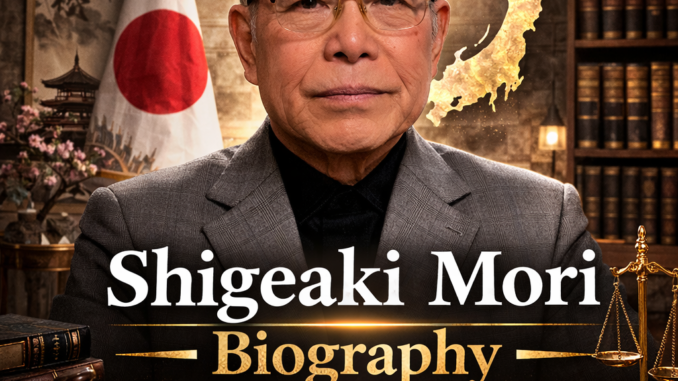
Who Is Shigeaki Mori Biography?
Shigeaki Mori was a Japanese historian, author, and peace advocate. He was born on March 29, 1937, in Hiroshima. He became widely known for his lifelong efforts to document hidden stories from World War II. His most notable achievement was identifying American prisoners of war who died in the Hiroshima atomic bombing. His work helped bridge historical gaps and promote global understanding.
Mori dedicated over three decades to researching the identities of 12 American POWs killed in Hiroshima. He contacted their families and ensured they were recognized in history. His work gained international attention when he met Barack Obama during the historic 2016 Hiroshima visit. The emotional moment between them became a global symbol of reconciliation and humanity. This remains one of the most defining highlights of his life.
He is trending now due to his death on March 14, 2026, at the age of 88. His passing has drawn renewed attention to his contributions to peace and historical truth. Mori’s legacy stands as a powerful reminder that compassion can exist even after conflict. His life’s work continues to inspire efforts toward remembrance, justice, and global unity.
Shigeaki Mori Early Life and Background
Shigeaki Mori was born on March 29, 1937, in Hiroshima. He grew up in a traditional Japanese household during a time when the country was deeply involved in World War II. His family lived a modest life, shaped by wartime conditions, limited resources, and the uncertainty that affected many Japanese households during that period.
As a child, Mori experienced one of the most defining events of his life during the Hiroshima atomic bombing. At just eight years old, he was about two kilometers from the explosion. The blast threw him violently into a river and left him unconscious. When he regained awareness, he was surrounded by destruction, injured civilians, and overwhelming chaos. This traumatic experience deeply influenced his worldview from a very young age.
Growing up after the war, Mori carried vivid memories of what he had witnessed. His early life was marked by reflection on loss, survival, and human suffering. These experiences gradually shaped his interest in history and remembrance. He developed a quiet but strong passion for uncovering truths about the past, especially stories that had been ignored or forgotten, which later became the foundation of his life’s work.
Shigeaki Mori Career and Achievements
Shigeaki Mori’s career did not begin in a conventional academic setting. Instead, it was driven by personal experience and a deep sense of responsibility after surviving the Hiroshima atomic bombing. As he grew older, he became increasingly interested in uncovering overlooked aspects of history, especially those connected to World War II. His entry into historical research was largely self-motivated, fueled by a desire to preserve truth and honor forgotten victims.
In the early stages of his work, Mori focused on gathering records and testimonies related to Hiroshima. A major turning point came when he discovered that American prisoners of war had died in the atomic bombing. This revelation led him into decades of dedicated research. He examined archives in both Japan and the United States, carefully piecing together evidence to identify these individuals. This marked one of his earliest and most significant milestones.
Mori’s most notable achievement was successfully identifying 12 American POWs who perished in Hiroshima. He went further by locating and contacting their families, ensuring their stories were acknowledged internationally. His research was later published in his book and gained widespread recognition. His work also inspired the documentary “Paper Lanterns,” which brought his findings to a global audience.
His contributions earned him major recognition, including a prestigious Japanese literary award. However, his most powerful moment of global acknowledgment came in 2016, when he met Barack Obama during the historic visit to Hiroshima. The public embrace between them symbolized reconciliation and brought worldwide attention to Mori’s work.
Until his death in 2026, Mori remained a respected historian and peace advocate. He continued to share his research, speak about the importance of remembrance, and promote unity across nations. His career stands as a testament to how one individual’s dedication can reshape historical understanding and foster global empathy.
Shigeaki Mori Books and Recognition
This section explains how Shigeaki Mori shared his research with the world and how people recognized his efforts.
First, after spending many years researching, Mori wrote a book titled The Secret History of the American POWs Killed by the Atomic Bomb in 2008. In this book, he explained how American prisoners of war were in Hiroshima and died when the atomic bomb was dropped. Before his work, many people did not know this part of history. His book helped make this hidden story known to the public.
Because the book was important and well-researched, it received the Kikuchi Kan Prize, which is a respected award in Japan given to people who make meaningful contributions to literature and culture. This showed that his work was taken seriously and appreciated at a national level.
In addition to the book, Mori’s research also inspired a documentary film called Paper Lanterns. This film tells the emotional story of the American POWs and shows how Mori spent many years trying to find their identities and contact their families. It also highlights his message of peace and remembrance.
In simple terms, this section shows that Mori did not just do research privately. He shared his findings through a book and a film, and his work was recognized and honored because it helped people better understand history.
Shigeaki Mori Meeting with Barack Obama and Its Significance
One of the most powerful moments in Shigeaki Mori’s life happened in May 2016, when Barack Obama visited Hiroshima. This visit was historic because Obama became the first sitting U.S. president to visit the city where the Hiroshima atomic bombing took place.
Obama’s visit was not just a routine trip. It was meant to promote peace, acknowledge the human suffering caused by nuclear weapons, and encourage a future without such destruction. Importantly, the visit was not an apology, but a gesture of reflection and respect for all victims of war.
During the visit, Obama specifically recognized the work of Shigeaki Mori. He acknowledged that Mori had uncovered the stories of American prisoners of war who died in Hiroshima—something that had long been overlooked in both American and Japanese history. By doing this, Obama highlighted Mori’s effort to bring truth and humanity into historical discussions.
When Obama met Mori, the two shared a deeply emotional hug. This moment became one of the most memorable images of the visit. It represented more than just a greeting—it symbolized reconciliation between former enemies, mutual respect, and the idea that even painful history can lead to understanding.
The visit also showed why Mori’s work mattered. It proved that remembering all victims, regardless of nationality, can help heal historical wounds. In simple terms, Obama went to Hiroshima to promote peace, and meeting Mori showed the world that truth, compassion, and shared humanity are stronger than past conflicts.
Shigeaki Mori Personal Life and Family
Shigeaki Mori lived a quiet and deeply private personal life in Hiroshima. He was married and had children, maintaining a close-knit family structure rooted in traditional Japanese values. While specific public details about his wife and children remain limited, it is clear that his family life provided him with emotional stability and support throughout his long years of research and reflection.
His role as a husband and father shaped his personality in meaningful ways. Living through the trauma of the Hiroshima atomic bombing at a young age, Mori developed a deep appreciation for life, relationships, and human connection. His family became a source of comfort and a reminder of what truly matters beyond historical work and public recognition.
Mori was known to be calm, humble, and compassionate—qualities that were reinforced within his home environment. His family life helped ground him, allowing him to approach his research not with anger or resentment, but with empathy and a desire for truth. This balance between personal life and professional dedication played a key role in shaping his identity as both a historian and a peace advocate.
In simple terms, Mori’s family life gave him strength, purpose, and emotional depth. It influenced the way he saw the world and helped him remain focused on unity and understanding rather than division.
Shigeaki Mori Death and Tributes
Shigeaki Mori passed away on March 14, 2026, in Hiroshima, just weeks before his 89th birthday. He died at the age of 88. His death marked the passing of one of the most respected survivors of the Hiroshima atomic bombing and a lifelong voice for peace and historical truth.
The exact cause of his death was not publicly disclosed. However, given his age, it is understood that he had been dealing with age-related health conditions in his later years. There were no widely reported specific illnesses or long-term diseases confirmed before his passing.
Following his death, tributes poured in from different parts of the world. Historians, peace organizations, and global leaders recognized his decades of dedication to uncovering hidden history and promoting reconciliation. Many praised his work in identifying American prisoners of war who died in Hiroshima and for ensuring their stories were never forgotten.
Special attention was given to his connection with Barack Obama, whose 2016 visit to Hiroshima had brought Mori’s work to global prominence. Messages of condolence highlighted the powerful symbolism of their meeting and how Mori’s efforts helped bridge historical divides between nations.
In Hiroshima, he was remembered not just as a historian, but as a survivor who turned personal tragedy into a mission of peace. Memorial gestures, including flowers and lantern tributes, reflected the same spirit of remembrance that he had dedicated his life to preserving.
In simple terms, Mori’s death was not only the loss of a man, but the loss of a living witness to history. His legacy continues through his work, which remains a lasting reminder of the importance of truth, memory, and humanity.
Shigeaki Mori Legacy and Impact
Shigeaki Mori’s legacy is defined by truth, remembrance, and humanity. As a survivor of the Hiroshima atomic bombing, he chose not to live in anger, but to dedicate his life to uncovering forgotten stories and honoring all victims of World War II. His work ensured that history was not selective, but inclusive of every life affected by war.
One of his greatest contributions was identifying American prisoners of war who died in Hiroshima. By doing this, he bridged a gap between Japan and the United States, showing that suffering in war is universal. His efforts helped families find closure and brought recognition to individuals who had long been overlooked. This achievement remains a powerful example of how one person can correct history through persistence and compassion.
Mori’s legacy also lives on through education and storytelling. His research, writings, and the documentary inspired by his work continue to teach future generations about the human cost of war. His message was simple but powerful: every victim deserves to be remembered, regardless of nationality. This idea continues to influence historians, peace advocates, and educators around the world.
Beyond his work, Mori is remembered for his character. He showed that even after experiencing deep trauma, it is possible to choose empathy over hatred. His life stands as a symbol of reconciliation and peace, proving that understanding the past can help build a better future.
FAQ About Shigeaki Mori
1. Who was Shigeaki Mori?
Shigeaki Mori was a Japanese historian, author, and peace advocate. He was also a survivor of the Hiroshima atomic bombing. He became known for researching and uncovering forgotten stories from World War II.
2. When and where was he born?
He was born on March 29, 1937, in Hiroshima.
3. How old was he during the Hiroshima bombing?
He was 8 years old when the atomic bomb was dropped on Hiroshima in 1945.
4. What is he most famous for?
He is most famous for identifying 12 American prisoners of war who died in Hiroshima. He spent decades researching their identities and contacting their families.
5. Why is Shigeaki Mori important?
He is important because he helped reveal a hidden part of history. His work promoted peace, truth, and recognition for all victims of war, regardless of nationality.
6. Did he write any books?
Yes. He wrote a book about the American POWs killed in Hiroshima, which later gained recognition and awards in Japan.
7. What happened between him and Barack Obama?
In 2016, Barack Obama met Mori during a historic visit to Hiroshima. They shared an emotional hug, which became a global symbol of peace and reconciliation.
8. When did Shigeaki Mori die?
He died on March 14, 2026, in Hiroshima at the age of 88.
9. What was the cause of his death?
The exact cause of his death was not publicly disclosed, though it is believed to be related to age.
10. What is his legacy?
His legacy is about remembrance, truth, and humanity. He showed that even after war, people can choose peace, understanding, and unity.
Read more:
- Sebastián Marset Biography: Early Life, Crime Empire, Arrest, Net Worth, Family, and Legacy
- Michael Lee King Biography: Execution, Crime, Denise Amber Lee Case, Death
Be the first to comment