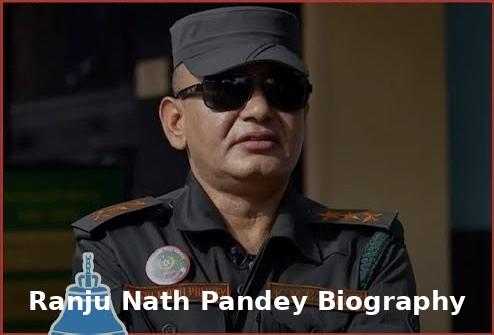
Who Is Ranju Nath Pandey?
Ranju Nath Pandey is a Nepali politician and public servant. He is a member of the Rastriya Swatantra Party. He became widely known after winning a seat in Nepal’s House of Representatives from the Kathmandu-3 constituency.
Before entering politics, Pandey served in Nepal’s police service. He built a long career in law enforcement and rose to the rank of Senior Superintendent of Police. His work in the security sector gave him experience in leadership, administration, and public safety.
After retiring from police service, he joined the Rastriya Swatantra Party, a reform-focused political movement founded by Rabi Lamichhane. He later contested the parliamentary election in Kathmandu-3 and won the seat.
Today, Ranju Nath Pandey is regarded as one of the new political figures representing change in Nepal’s political landscape. His career reflects a transition from law enforcement service to national political leadership.
Early Life and Education of Ranju Nath Pandey
Ranju Nath Pandey was born and raised in Nepal. He grew up in a society that valued discipline, hard work, and service to the nation. His early environment helped shape his character and sense of responsibility. From a young age, he showed interest in leadership and public service.
Pandey completed his primary and secondary education in Nepal. His schooling helped him develop the knowledge and discipline needed for a career in public service. During his student years, he focused on building strong personal values and a commitment to serving society.
His education prepared him for future responsibilities in national institutions. The lessons and experiences he gained during his early years later influenced his decision to pursue a career in law enforcement and public administration.
These early life experiences laid the foundation for his professional journey. He later joined Nepal’s police service and eventually moved into politics as a member of the Rastriya Swatantra Party.
Ranju Nath Pandey Career in Police
Ranju Nath Pandey built a long and respected career in Nepal’s police service. He joined the national police force at a young age with a strong commitment to public service and national security. His early years in the force were marked by discipline, dedication, and a focus on maintaining law and order.
Over time, Pandey gained experience in different areas of policing. He worked in various operational and administrative roles. His responsibilities included crime prevention, maintaining public safety, and managing police operations in different regions. His work helped him develop strong leadership and decision-making skills.
Through years of service, Pandey rose through the ranks of the police institution. His professionalism and experience eventually earned him the position of Senior Superintendent of Police (SSP). This rank placed him among the senior officers responsible for overseeing major security operations and guiding police personnel.
During his time in the police force, Pandey became known for his disciplined approach to duty and commitment to justice. His career in law enforcement gave him deep insight into the challenges facing society and public institutions.
After completing his service in the police, Pandey moved into public life and later joined the Rastriya Swatantra Party, where he continued his work in national service through politics.
Ranju Nath Pandey Political Career
Ranju Nath Pandey entered politics after completing his career in law enforcement. He decided to continue serving the public through democratic leadership and national governance. His experience in security and administration helped shape his approach to politics.
Pandey joined the Rastriya Swatantra Party, a political movement known for promoting reform, transparency, and accountability in government. The party was founded by journalist and politician Rabi Lamichhane. It quickly gained support among citizens who wanted new leadership and political change in Nepal.
In the parliamentary elections, Pandey contested the Kathmandu-3 constituency as a candidate of the Rastriya Swatantra Party. His campaign focused on good governance, strong institutions, and public accountability. He received strong support from voters in the constituency.
Pandey won the election and secured a seat in Nepal’s national parliament. His victory marked an important step in his transition from a senior police officer to an elected political leader.
As a member of parliament, Pandey continues to focus on issues related to governance, public safety, and institutional reform. His political career reflects his commitment to serving the nation both in security and in democratic leadership.
Ranju Nath Pandey Parliamentary Election Victory
Ranju Nath Pandey achieved a major milestone in his political career during the parliamentary election in Nepal. He contested the election as a candidate of the Rastriya Swatantra Party in the Kathmandu-3 constituency.
The final election results showed that Pandey won the seat with a clear lead over his opponents. The vote totals were as follows:
- Ranju Nath Pandey (Rastriya Swatantra Party) – 18,757 votes.
- Kulman Ghising (Ujyalo Nepal Party) – 11,171 votes.
- Ramesh Aryal (Nepali Congress) – 6,000 votes.
- Rameshwor Phuyal (CPN-UML) – 3,816 votes.
Pandey defeated his closest rival, Kulman Ghising, by a margin of 7,586 votes. This victory secured him a seat in Nepal’s House of Representatives and strengthened the presence of the Rastriya Swatantra Party in Kathmandu politics.
The election marked Pandey’s successful transition from a senior police officer to an elected national leader. His victory was widely seen as part of the growing support for new political figures and reform-oriented parties in Nepal.
Ranju Nath Pandey Legacy
Ranju Nath Pandey is regarded as a public figure who moved from security service to national politics. His journey from the police force to parliament reflects a commitment to public service and leadership. Many supporters see his career as an example of how professionals can contribute to national development through politics.
His years in law enforcement shaped his reputation for discipline, accountability, and respect for the rule of law. These qualities continued to define his image after he entered politics through the Rastriya Swatantra Party. His background in policing helped him bring practical experience to discussions about governance, security, and public administration.
Pandey’s election to parliament also represents the growing influence of newer political movements in Nepal. His victory in Kathmandu-3 showed that voters were willing to support candidates from emerging parties that promote transparency and reform.
Through his work in public service and politics, Ranju Nath Pandey is seen as part of a new generation of leaders seeking to strengthen institutions and improve governance in Nepal. His legacy is closely linked to his transition from law enforcement to democratic leadership and his role in Nepal’s evolving political landscape.
Frequently Asked Questions (FAQ) About Ranju Nath Pandey
1. Who is Ranju Nath Pandey?
Ranju Nath Pandey is a Nepali politician and former police officer. He is a member of the Rastriya Swatantra Party and serves in Nepal’s House of Representatives.
2. Which constituency does Ranju Nath Pandey represent?
He represents the Kathmandu-3 constituency in Nepal’s federal parliament.
3. What political party does Ranju Nath Pandey belong to?
He is a member of the Rastriya Swatantra Party, a reform-oriented political movement founded by Rabi Lamichhane.
4. What was Ranju Nath Pandey’s profession before politics?
Before entering politics, he served in Nepal’s police service. He rose through the ranks and eventually became a Senior Superintendent of Police (SSP).
5. How many votes did Ranju Nath Pandey receive in the parliamentary election?
He won the Kathmandu-3 parliamentary seat with 18,757 votes, defeating his closest rival by a margin of 7,586 votes.
6. Why is Ranju Nath Pandey well known in Nepal?
He is known for his long career in law enforcement and for later entering politics to promote governance reform, accountability, and stronger public institutions.
7. What issues does Ranju Nath Pandey focus on in politics?
His political focus includes good governance, public accountability, national security, and strengthening democratic institutions.
8. Is Ranju Nath Pandey considered part of a new generation of Nepali leaders?
Yes. His entry into politics through the Rastriya Swatantra Party reflects the rise of new political figures seeking reforms and change in Nepal’s political system.
Read more:
- Anuj Agnihotri Biography: UPSC AIR-1 Topper, Early Life, Education, Career and Legacy
- MasterChef India Season 9 Winners: Vikram and Ajinkya Gandhe Lift the Trophy
Be the first to comment