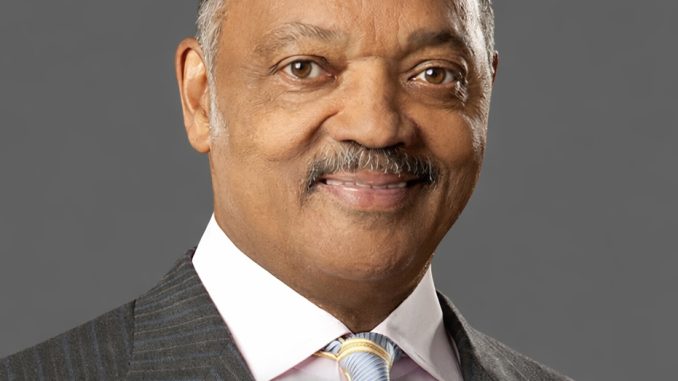
Who Is Jesse Jackson?
Jesse Jackson was an American civil rights leader, Baptist minister, and political activist. He was born on October 8, 1941, in Greenville. Jackson became one of the most recognizable voices in the fight for racial equality and social justice in America. His activism began during the civil rights movement of the 1960s. Over the years, he became known for advocating voting rights, economic justice, and equal opportunities for marginalized communities.
Jackson first gained national attention through his work with civil rights leader Martin Luther King Jr. and the Southern Christian Leadership Conference. After King’s assassination in 1968, Jackson continued the struggle for equality and expanded his activism across the United States. He later founded organizations such as Operation PUSH and the Rainbow PUSH Coalition to promote social and economic empowerment.
Beyond activism, Jesse Jackson also entered national politics. He ran for president of the United States in 1984 and again in 1988, becoming one of the most influential African American political figures of his generation. Through speeches, protests, and political campaigns, Jackson helped shape modern civil rights advocacy. His life story reflects decades of commitment to justice, equality, and social change.
Jesse Jackson Early Life
Jesse Jackson was born on October 8, 1941, in Greenville. His birth name was Jesse Louis Burns. He was born to Helen Burns, a teenage mother who worked as a domestic worker. Later, his mother married Charles Henry Jackson, a postal worker who became an important father figure in his life. Jesse later adopted his stepfather’s surname, becoming Jesse Jackson.
Jackson grew up during a time when racial segregation was still deeply rooted in the southern United States. African Americans faced discrimination in schools, jobs, housing, and voting rights. These social conditions shaped Jackson’s understanding of inequality and influenced his future involvement in civil rights activism.
As a young student, Jackson attended Sterling High School. He was known as a strong student and an excellent athlete. He excelled in football, baseball, and basketball, gaining recognition for his leadership and competitive spirit.
After graduating from high school, Jackson received a football scholarship to University of Illinois. However, he later transferred to North Carolina Agricultural and Technical State University. It was there that he became deeply involved in student activism during the civil rights movement, a period that would shape the direction of his life and career.
Jesse Jackson Education Background
Jesse Jackson began his education in Greenville, South Carolina. He attended Sterling High School, which was a school for African American students during the time of segregation. While in school, he was known as a good student and a talented athlete. He played football, baseball, and basketball. His leadership and sports ability helped him gain recognition in his community.
After graduating from high school, Jackson received a football scholarship to the University of Illinois. He studied there for one year. During that time, he experienced racial discrimination and felt uncomfortable in the environment. Because of this, he decided to transfer to another university.
Jackson later joined North Carolina Agricultural and Technical State University in Greensboro. The university is a historically Black university. While studying there, he became involved in the civil rights movement. He participated in student activism and social justice activities. Jackson graduated from the university in 1964 with a degree in sociology.
After completing his undergraduate studies, Jackson went to Chicago Theological Seminary. He studied theology there and planned to become a minister. However, he left the seminary before finishing his studies because he wanted to focus on civil rights work. Later, the seminary awarded him an honorary doctorate in recognition of his leadership and activism.
Jesse Jackson Career
Jesse Jackson began his career during the civil rights movement in the 1960s. He became involved in activism while he was a student at North Carolina Agricultural and Technical State University. During this time, he joined peaceful protests and demonstrations against racial segregation. His leadership and strong speaking skills helped him gain attention among civil rights leaders.
Jackson later worked closely with civil rights leader Martin Luther King Jr.. He joined the Southern Christian Leadership Conference, an organization that fought for equal rights for African Americans. Through this organization, Jackson helped organize campaigns for voting rights, economic equality, and social justice. He became one of the young leaders working alongside King in many civil rights activities.
After the assassination of Martin Luther King Jr. in 1968, Jackson continued the struggle for civil rights. In 1971, he founded Operation PUSH, which means People United to Save Humanity. The organization focused on improving education, job opportunities, and economic empowerment for African Americans.
Later, Jackson also founded the Rainbow Coalition. This movement aimed to unite people from different racial and social backgrounds to work together for equality and justice. The organization later merged with Operation PUSH to become the Rainbow PUSH Coalition.
Jackson also entered politics. He ran for president of the United States in 1984 and again in 1988 as a Democratic candidate. His campaigns encouraged greater political participation among minorities and young voters. Although he did not win the presidency, his campaigns made history and increased African American influence in national politics.
Throughout his career, Jesse Jackson also worked as a mediator in international conflicts. He helped negotiate the release of prisoners and hostages in several countries. His career lasted more than five decades and made him one of the most influential civil rights leaders in the United States.
Jesse Jackson Illness and Death
In 2017, Jesse Jackson publicly announced that he had been diagnosed with Parkinson’s disease. Parkinson’s disease is a long-term illness that affects movement and the nervous system. The condition gradually made it harder for him to maintain the same level of public activity. Despite this, Jackson continued to speak about civil rights and social justice whenever his health allowed.
In 2021, Jackson and his wife were hospitalized after testing positive for COVID-19. Both later recovered, but the illness added to the health challenges he was already facing. In the following years, his public appearances became less frequent as he focused on managing his condition and spending time with his family.
Jesse Jackson died on February 17, 2026, at the age of 84. He passed away at his home in Chicago. His death followed several years of declining health related to Parkinson’s disease and other complications.
After his death, tributes came from political leaders, civil rights activists, and citizens across the United States. Many remembered him as a powerful voice for equality and justice. His death marked the passing of one of the most influential figures in the American civil rights movement.
Jesse Jackson Tributes and Burial Timeline
After the death of Jesse Jackson on February 17, 2026, tributes and memorial events were organized across the United States. Political leaders, civil rights activists, religious leaders, and thousands of supporters gathered to honor his life and decades of activism. Many described him as one of the most influential civil rights leaders after Martin Luther King Jr..
Several national leaders paid tribute to Jackson’s legacy. Former U.S. presidents and public officials praised his work in fighting for voting rights, racial equality, and economic justice. In Chicago, the city where he built much of his activism, thousands of mourners visited the headquarters of the Rainbow PUSH Coalition to honor him and pay their respects.
Timeline of Tributes, Funeral and Burial
- February 17, 2026 – Jesse Jackson died at the age of 84 in Chicago. Tributes immediately poured in from leaders and citizens across the United States.
- Late February 2026 – Public viewing and mourning events were held at the Rainbow PUSH Coalition headquarters in Chicago. Thousands of people visited to pay their respects.
- Early March 2026 – Jackson’s body was transported to South Carolina, his birthplace, where memorial ceremonies were held and citizens honored his legacy.
- March 6, 2026 – A major public memorial known as the “People’s Celebration” was held at the House of Hope Church in Chicago. Many political leaders, civil rights activists, and community members attended the service.
- March 7, 2026 – Jesse Jackson was buried at Oak Woods Cemetery on Chicago’s South Side during a private family ceremony.
These events marked the final farewell to one of America’s most influential civil rights leaders, whose activism and speeches inspired generations to continue the fight for equality and justice.
Jesse Jackson Personal Life and Family
Jesse Jackson married Jacqueline Lavinia Brown in 1962 while they were still young adults. Their marriage lasted for more than six decades. Jacqueline Jackson supported her husband throughout his long career in civil rights activism and politics. She often participated in community programs and public events connected to Jackson’s work. Their marriage was widely known for its longevity and commitment despite the demands of public life.
The couple had five children together. Their children include Santita Jackson, Jesse Jackson Jr., Jonathan Jackson, Yusef DuBois, and Jacqueline Lavinia Jackson. Several of them became involved in public service, media, or activism. Jesse Jackson Jr. served as a member of the United States House of Representatives from Illinois for many years. He followed in his father’s footsteps by participating in political and social justice activities.
Jackson’s family life was closely connected to his activism. Many of his children grew up around civil rights leaders and political events. His home in Chicago often hosted community meetings and gatherings for activists. Despite the pressures of public life, Jackson remained committed to his family and frequently spoke about the importance of unity, faith, and service.
Jesse Jackson Legacy
Jesse Jackson left a strong legacy in the fight for civil rights and social justice in the United States. For more than five decades, he worked to promote equality, voting rights, and economic opportunities for African Americans and other marginalized communities. His speeches, protests, and political campaigns helped bring national attention to issues of racial discrimination and poverty.
Jackson continued the work of Martin Luther King Jr. after King’s death in 1968. He helped keep the civil rights movement active during a difficult period in American history. Through organizations such as the Rainbow PUSH Coalition, he encouraged education, economic empowerment, and community development.
His presidential campaigns in 1984 and 1988 also changed American politics. They helped increase political participation among African Americans, young voters, and minority communities. His famous message “Keep hope alive” became a symbol of determination and unity.
Jesse Jackson’s legacy is remembered through his activism, leadership, and influence on future generations. Many civil rights leaders and politicians say his work helped open doors for greater representation and equality in American society.
Frequently Asked Questions About Jesse Jackson
1. Who was Jesse Jackson?
Jesse Jackson was an American civil rights leader, Baptist minister, and political activist. He was known for fighting for racial equality, voting rights, and economic justice in the United States.
2. When was Jesse Jackson born?
Jesse Jackson was born on October 8, 1941, in Greenville.
3. When did Jesse Jackson die?
Jesse Jackson died on February 17, 2026, at the age of 84 in Chicago.
4. What caused Jesse Jackson’s death?
His death followed years of health challenges, including Parkinson’s disease.
5. Who was Jesse Jackson’s wife?
Jesse Jackson was married to Jacqueline Lavinia Brown. They married in 1962 and remained together for many decades.
6. Did Jesse Jackson have children?
Yes. Jesse Jackson had five children, including Jesse Jackson Jr., who served as a member of the U.S. Congress.
7. What organization did Jesse Jackson found?
He founded the Rainbow PUSH Coalition, which focuses on civil rights and economic empowerment.
8. Did Jesse Jackson run for president?
Yes. Jesse Jackson ran for president of the United States in 1984 and 1988 as a Democratic candidate.
9. Where was Jesse Jackson buried?
He was buried at Oak Woods Cemetery on the South Side of Chicago.
Read more:
- Alfred Keter Biography: Early Life, Education, Political Career, Personal Life, Age, Net Worth, Legacy and FAQs
- Lily Allen Biography: Early Life, Career, Personal Life, Net Worth, and Legacy
Be the first to comment